Practical mind skills for real life

Author: Jeanette (Page 1 of 2)

5 Practical Mind Skills You Can Use Today

5 Practical Mind Skills You Can Use Today

These tips are short, actionable ways to start improving your everyday thinking and emotional awareness.

1. Take Three Deep Breaths

Pause and breathe slowly three times. Focus on the sensation of air moving in and out. This brings calm and attention to the present moment.

2. Notice Without Judgment

Observe your thoughts and feelings without labeling them “good” or “bad.” Awareness without judgment builds clarity and emotional balance.

3. Break Tasks Into Small Steps

Large tasks can feel overwhelming. Break them down and focus on completing one small step at a time.

4. Listen First

Focus on truly listening before responding. This improves communication and relationships.

5. Celebrate Small Wins

Notice and appreciate small achievements each day — it builds confidence and motivation.

Want to go deeper? Read the full Practical Mind Skills guide below.


Practical Mind Skills for Everyday Life

Every day brings new challenges — from managing stress to communicating clearly with others. Practical mind skills help you navigate life with clarity and confidence.

This guide will walk you through simple, actionable practices you can start today. For more support, download the Practical Mind Skills Toolkit to keep exercises handy.


Mindful Awareness

Take Three Deep Breaths

Pause and focus on your breath for three full cycles. This simple act brings your attention to the present moment and calms your mind.

Notice Without Judgment

Observe your thoughts and emotions as they come — don’t label them “good” or “bad.” Awareness without judgment builds clarity and emotional balance.

Engage Your Senses

Look around and note what you see, hear, and feel. Bringing attention to the senses anchors you in the moment and reduces stress.


Stress Management Tips

Break Tasks Into Small Steps

Divide large tasks into manageable pieces and focus on completing one at a time.

Set Gentle Boundaries

Learn to say “no” when necessary and protect your time.

Schedule Mini Breaks

Short breaks during the day refresh your mind and increase focus.


Communication Skills

Listen First

Focus on listening fully before responding.

Use “I” Statements

Share feelings using “I feel…” instead of “You make me feel…”

Pause Before Responding

Take a brief pause before answering, especially in emotional situations.


Personal Growth Practices

Reflect Daily

Spend 5–10 minutes journaling about thoughts, experiences, and lessons learned.

Celebrate Small Wins

Notice and appreciate small achievements — they build confidence and motivation.

Learn Continuously

Pick one skill or topic to explore each week. Consistent learning strengthens the mind and supports long-term growth.


Conclusion

Practical mind skills are about small, meaningful actions. Start with one tip, build gradually, and notice how these practices improve your everyday life.

For quick reference, exercises, and printable guides, download the Practical Mind Skills Toolkit.


Practical mind skills aren’t about fixing yourself. They’re about supporting yourself — gently and realistically — as life unfolds.

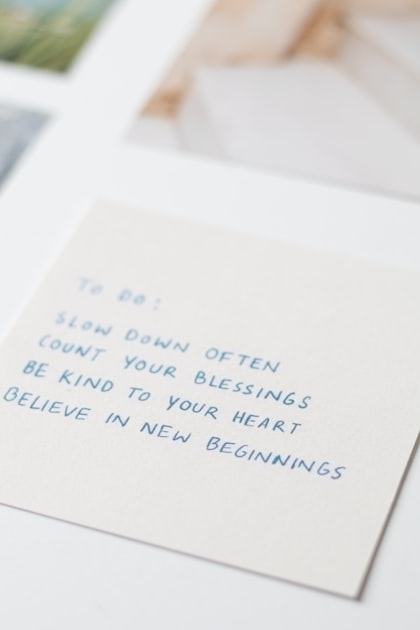
5 Practical Mind Skills You Can Use Today

These tips are short, actionable ways to start improving your everyday thinking and emotional awareness.

1. Take Three Deep Breaths

Pause and breathe slowly three times. Focus on the sensation of air moving in and out. This brings calm and attention to the present moment.

2. Notice Without Judgment

Observe your thoughts and feelings without labeling them “good” or “bad.” Awareness without judgment builds clarity and emotional balance.

3. Break Tasks Into Small Steps

Large tasks can feel overwhelming. Break them down and focus on completing one small step at a time.

4. Listen First

Focus on truly listening before responding. This improves communication and relationships.

5. Celebrate Small Wins

Notice and appreciate small achievements each day — it builds confidence and motivation.

Want to go deeper? Read the full Practical Mind Skills guide below.


Practical Mind Skills for Everyday Life

Every day brings new challenges — from managing stress to communicating clearly with others. Practical mind skills help you navigate life with clarity and confidence.

This guide will walk you through simple, actionable practices you can start today. For more support, download the Practical Mind Skills Toolkit to keep exercises handy.


Mindful Awareness

Take Three Deep Breaths

Pause and focus on your breath for three full cycles. This simple act brings your attention to the present moment and calms your mind.

Notice Without Judgment

Observe your thoughts and emotions as they come — don’t label them “good” or “bad.” Awareness without judgment builds clarity and emotional balance.

Engage Your Senses

Look around and note what you see, hear, and feel. Bringing attention to the senses anchors you in the moment and reduces stress.


Stress Management Tips

Break Tasks Into Small Steps

Divide large tasks into manageable pieces and focus on completing one at a time.

Set Gentle Boundaries

Learn to say “no” when necessary and protect your time.

Schedule Mini Breaks

Short breaks during the day refresh your mind and increase focus.


Communication Skills

Listen First

Focus on listening fully before responding.

Use “I” Statements

Share feelings using “I feel…” instead of “You make me feel…”

Pause Before Responding

Take a brief pause before answering, especially in emotional situations.


Personal Growth Practices

Reflect Daily

Spend 5–10 minutes journaling about thoughts, experiences, and lessons learned.

Celebrate Small Wins

Notice and appreciate small achievements — they build confidence and motivation.

Learn Continuously

Pick one skill or topic to explore each week. Consistent learning strengthens the mind and supports long-term growth.


Conclusion

Practical mind skills are about small, meaningful actions. Start with one tip, build gradually, and notice how these practices improve your everyday life.

For quick reference, exercises, and printable guides, download the Practical Mind Skills Toolkit.


Practical mind skills aren’t about fixing yourself. They’re about supporting yourself — gently and realistically — as life unfolds.

Daily Practices That Make You More Resilient

Resilience isn’t about avoiding stress or challenges — it’s about learning how to recover, adapt, and keep moving forward. Small daily practices can strengthen your ability to handle life’s ups and downs with confidence.

1. Start Your Day With Intention

Take a moment each morning to set a simple intention for the day. This could be staying calm, being patient, or focusing on what you can control. Starting with intention helps you respond thoughtfully instead of reacting emotionally.

2. Practice Self-Compassion

When things don’t go as planned, speak to yourself with kindness rather than criticism. Treating yourself with understanding during difficult moments builds emotional strength and prevents burnout.

3. Learn From Challenges Instead of Avoiding Them

Difficult experiences offer valuable lessons. After a challenge, ask yourself what you learned or how you grew. This mindset turns setbacks into opportunities for personal growth.

4. Maintain Supportive Connections

Strong relationships provide encouragement and perspective during tough times. Make time to connect with people who uplift you and offer understanding. Feeling supported strengthens resilience.

5. Reflect on Small Wins

At the end of the day, acknowledge one thing you handled well — no matter how small. Recognizing progress reinforces confidence and helps build long-term resilience.

Resilience grows through consistent, intentional habits. By practicing these small steps daily, you build the inner strength needed to navigate challenges with greater ease and confidence.

How to Calm Your Mind When You’re Overwhelmed

Feeling overwhelmed is normal, but learning simple ways to calm your mind can help you regain focus and emotional balance. These techniques are easy to practice anywhere and take just a few minutes.

1. Pause and Breathe

Take a moment to step away from the immediate stress. Close your eyes, inhale slowly for four counts, hold for two, and exhale for six. Repeat three times. Deep breathing reduces tension and signals your body it’s safe to relax.

2. Notice Your Thoughts Without Judgment

When your mind races, try observing your thoughts as if they are clouds passing by. Don’t try to stop them — just notice them. Awareness without judgment lowers anxiety and improves clarity.

3. Ground Yourself in the Present

Focus on your senses. Name five things you can see, four you can touch, three you can hear, two you can smell, and one you can taste. This simple exercise brings you back to the present moment and calms overwhelm.

Practicing these techniques regularly trains your mind to stay calm even in challenging situations. Start with one method and gradually incorporate the others for the best results.

How to Say What You Mean Without Starting an Argument

Many arguments don’t start because people want conflict — they start because something important wasn’t said clearly or calmly. Learning how to express yourself without triggering defensiveness is a skill, and it can be practiced.

These communication habits help you say what you mean while keeping conversations respectful and productive.

Start With What You Feel, Not What They Did

Blaming language puts people on the defensive. Instead of leading with what someone did wrong, begin by sharing how you feel.

For example, saying “I feel overwhelmed when plans change at the last minute” invites understanding, while “You always change plans” often invites an argument.

Be Specific, Not General

Words like always and never tend to escalate conflict. They make the other person feel attacked rather than understood.
Focusing on a specific situation helps keep the conversation grounded and fair. This makes it easier to address the real issue instead of reopening old ones.

Pause Before Responding

When emotions run high, even a brief pause can change the direction of a conversation. Taking a moment to breathe allows your nervous system to settle and gives you time to choose your words intentionally.
Responding calmly often keeps small disagreements from turning into full arguments.

Say What You Need, Not Just What You Don’t Like

Pointing out a problem without expressing a need can leave conversations stuck. Try clearly stating what would help or what you’re hoping for moving forward.
This shifts the discussion from criticism to collaboration.

Remember the Goal Is Understanding, Not Winning

Healthy communication isn’t about proving a point — it’s about being understood and understanding others. When both people feel heard, solutions come more naturally.
Approaching conversations with curiosity instead of competition helps reduce tension and builds stronger connections.

Learning to communicate clearly takes practice, patience, and self-awareness. Small changes in how you speak and listen can make a meaningful difference in everyday conversations.

3 Mindful Practices to Reduce Daily Stress

Daily stress doesn’t always come from big problems. Often, it builds quietly through routines, responsibilities, and constant mental noise. Mindful practices don’t have to be complicated to be effective. These simple techniques can help you slow down, refocus, and feel more grounded throughout your day.

Why Mindful Practices Matter

Mindfulness helps you become aware of your thoughts, emotions, and physical sensations without judgment. When practiced regularly, it can reduce stress, improve focus, and support emotional balance—even in the middle of a busy day.

1. Mindful Breathing

Pause for a moment and take three slow, deep breaths. Focus on the sensation of the air moving in and out of your body. This simple practice helps calm your nervous system and brings your attention to the present moment.

Take Three Deep Breaths

Inhale slowly through your nose, hold briefly, and exhale through your mouth. Repeating this three times can quickly reduce stress and improve focus.

2. Body Awareness

Take a few minutes to mentally scan your body from head to toe. Notice areas of tension or discomfort. Simply acknowledging these sensations can reduce stress.

Scan From Head to Toe

Start at your head and slowly move your attention down to your toes. Notice sensations without judgment.

Release Tension

Wherever you notice tightness, gently relax the muscles. This can be done while sitting at your desk or lying down at home.

3. Gratitude Practice

Each day, write down three small things you are grateful for. They can be as simple as a warm cup of tea, a smile from a friend, or a productive meeting. Taking time to notice these moments shifts your focus from stress to positivity.

Write Down Three Things

Record three things you noticed or appreciated today. No matter how small, acknowledging them trains your mind to see positive moments.

Reflect on Your Day

Take a moment to reflect on why these things mattered. Gratitude shifts your perspective, increases calm, and improves emotional balance.

Conclusion

These three practices — mindful breathing, body awareness, and gratitude — are small, actionable steps you can use every day to reduce stress, increase focus, and improve emotional balance. Try incorporating one or all of them into your routine and notice the difference.

Practical Mind Skills for Everyday Life

Calm, practical psychology tips to help you navigate daily challenges with clarity and confidence.

Introduction

Every day brings new challenges — from managing stress to communicating clearly with others. Insight for Everyday Life is here to help you use simple, psychology-based strategies to improve your mindset, relationships, and emotional well-being.

This article is designed to give you practical tools you can apply immediately, plus a free toolkit to help you organize your thoughts, track your progress, and build lasting habits.

1. Mindfulness for Daily Calm

Mindfulness is more than meditation — it’s about being fully present in everyday moments.

Try this simple exercise:

Take 3 deep breaths.

Focus on what you see, hear, and feel right now.

Notice your thoughts without judgment.

Doing this for just 1–2 minutes can help reduce stress and increase focus.

2. Emotional Awareness

Understanding your emotions is key to better decision-making and stronger relationships.

Tip: Name your feelings. Instead of saying “I’m upset,” try “I feel frustrated because…”

Tip: Track patterns. Notice what triggers stress, anger, or anxiety — awareness is the first step to change.

  • Tip: Name your feelings. Instead of saying “I’m upset,” try “I feel frustrated because…”
  • Tip: Track patterns. Notice what triggers stress, anger, or anxiety — awareness is the first step to change.

3. Practical Communication Skills

Good communication is essential for personal and professional relationships.

Simple tools:

  • Listen fully before responding.
  • Use “I” statements: “I feel…” instead of “You always…”
  • Take pauses to prevent reactive responses.

4. Personal Growth Habits

Small, consistent actions lead to big results over time.

Daily habits to try:

  • 10 minutes of journaling or reflection
  • Set one realistic goal for the day
  • Review one success or learning point each evening

Consistency is more important than intensity.

5. Using Your Free Toolkit

To help you put these strategies into practice, download the free toolkit. It includes:

  • Simple mindfulness exercises
  • Emotional check-in sheets
  • Communication templates
  • Daily habit tracker

Download Your Free Toolkit Here

The Importance of Mental Clarity

Introduction

Mental clarity is essential for effective decision-making and personal growth. Here are ways to achieve it.

1. Declutter Your Mind

Practice techniques to declutter your mind, such as journaling or meditation. This helps clear distractions.

2. Prioritize Tasks

Use prioritization techniques to focus on what matters most. This enhances productivity and reduces overwhelm.

3. Limit Information Overload

Be selective about the information you consume. Too much information can cloud your judgment.

4. Regular Reflection

Set aside time for regular reflection. This helps you assess your thoughts and align them with your goals.

Building Emotional Resilience

Introduction

Emotional resilience is crucial for navigating life’s ups and downs. Here are tips to help you build it.

1. Develop a Support Network

Surround yourself with supportive people. A strong network can provide encouragement during tough times.

2. Practice Self-Care

Prioritize self-care activities that rejuvenate you. This can include exercise, hobbies, and relaxation techniques.

3. Maintain a Positive Outlook

Focus on the positives in challenging situations. A positive mindset can enhance your resilience.

4. Learn from Setbacks

View setbacks as learning opportunities. Reflect on what went wrong and how you can improve in the future.

Self-Improvement Strategies

Introduction

Self-improvement is a lifelong journey. Here are strategies to help you unlock your full potential.

1. Set Clear Goals

Define specific, measurable goals for your personal growth. This gives you direction and motivation.

2. Continuous Learning

Commit to lifelong learning. Read books, take courses, and seek new experiences to expand your knowledge.

3. Embrace Feedback

Be open to feedback from others. Constructive criticism can provide valuable insights for improvement.

4. Celebrate Small Wins

Acknowledge and celebrate your progress, no matter how small. This boosts motivation and reinforces positive behavior.

« Older posts